I graduated from Olin College with a B.S. in Electrical and Computer Engineering,
focusing on interdisciplinary, human-centered design. I’m passionate about designing
playful, impactful learning tools that encourage creativity and explore the intersection
of STEM and art.
How can middle school students engage with AI as creators, not just users? AI Foundation: Creativity,
Code, and Consequences is a pilot CS elective I designed for 7th–8th grade students to introduce AI literacy
through hands-on, constructionist learning. The course uses AI as an entry point to programming, computational
thinking, and ethical reflection, combining block-based coding, machine learning tools, and programmable robots.
In the final project, students solve a design challenge (guiding a robot through an obstacle course!) using
both traditional algorithms and a machine-learning-based hand-gesture
controller with models they train themselves in Google's Teachable Machine. By comparing the two approaches,
students directly experience core AI tradeoffs such as flexibility vs. precision, transparency vs. black-box
behavior, and data bias, grounding AI ethics in personal, playful experimentation.
Large Language Models (LLMs) are increasingly being integrated into classroom settings, particularly as chatbot tutors in online
learning environments. With this rise in usage comes the need to evaluate their teaching capabilities and their ability to exhibit
human-like empathy when interacting with students. This ongoing research focuses on the ChatGPT-4o model's capacity to demonstrate
empathy compared to human teachers. It also explores how the level of empathy and other conversational characteristics change when
students disclose personal information. Additionally, the study examines how variations in student identities, as well as the
chatbot tutor's identity (e.g., gender), influence the chatbot's responses.
Collaborated with a team to further develop an iOS app,
Musical Cane Game, for cane training, designed to help visually impaired individuals improve their
mobility skills through gamified learning. The app engages learners by integrating music-based gameplay and provides Orientation and Mobility
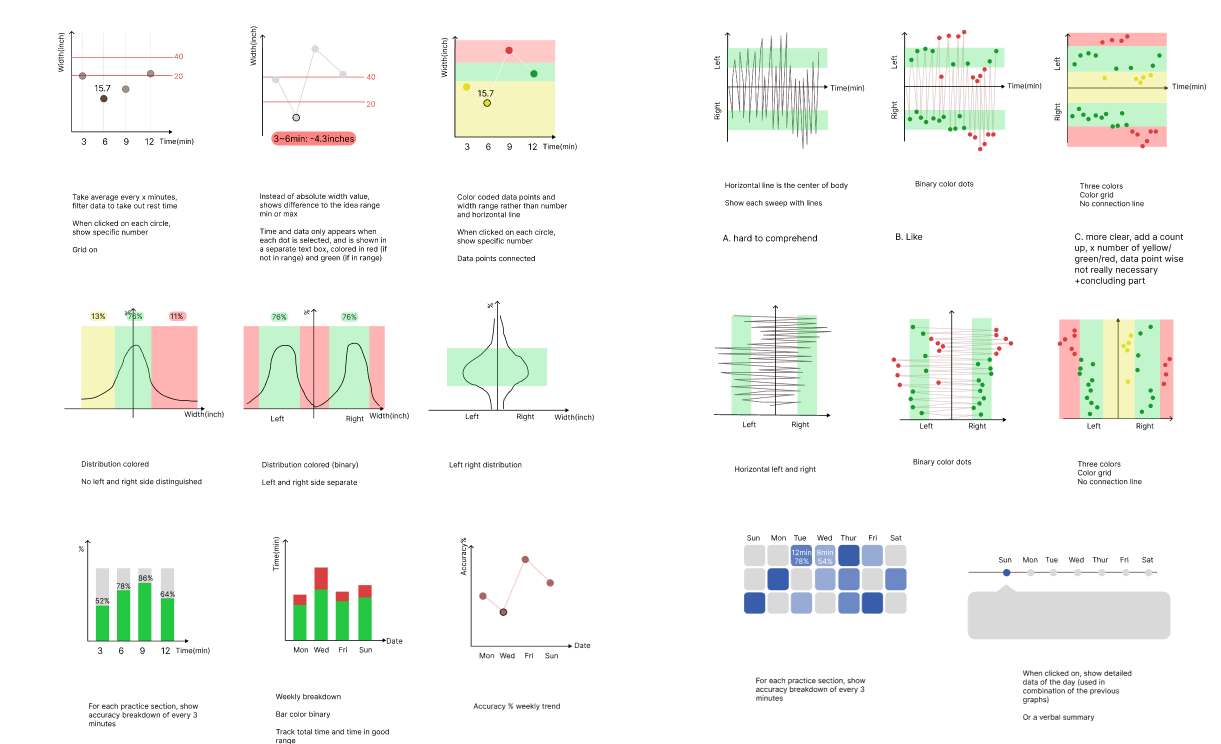
(O&M) instructors with tools to visualize training progress. My contributions included conducting user interviews and co-design sessions
with O&M instructors, prototyping progress visualization features, and designing the user interface for new functionalities. By combining
user-centered design with accessible technology, the project aimed to make cane training both enjoyable and effective for learners while supporting
instructors with valuable insights.
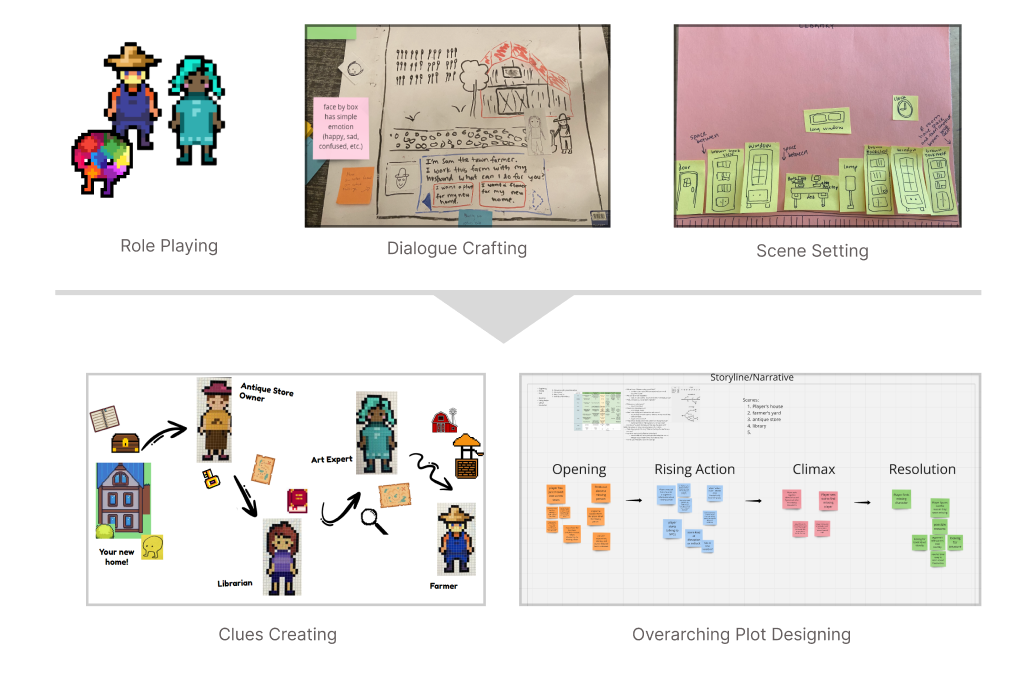
Collaborated with OUT Maine to design a 2D web-based role-playing game,
Prism Pines, in Unity using C# for children aged 9-13.
The game encourages exploration of diverse gender identities and fosters a sense of connection and representation.
After conducting research on existing gender education games, interviewing LGBTQ+ youth, and consulting with experts
in game design and identity psychology, we developed a game where players listen to character stories, collect clues,
and solve a mystery, gaining insights into the complexities of gender identity.
Co-created with Ian Eykamp. Assisted in ideating, designing,
and testing a MOSFET circuit simulator for an Intro to Microelectronics course.
The simulator allows learners to adjust voltage sources and observe real-time changes in voltage and current.
Saturation levels of CMOS transistors are visually represented by colors, and current flow is shown through animated dots.
The JavaScript-based simulator includes five circuit configurations: single nMOS, single pMOS, nMOS differential pair,
5-transistor op-amp, and 9-transistor op-amp.
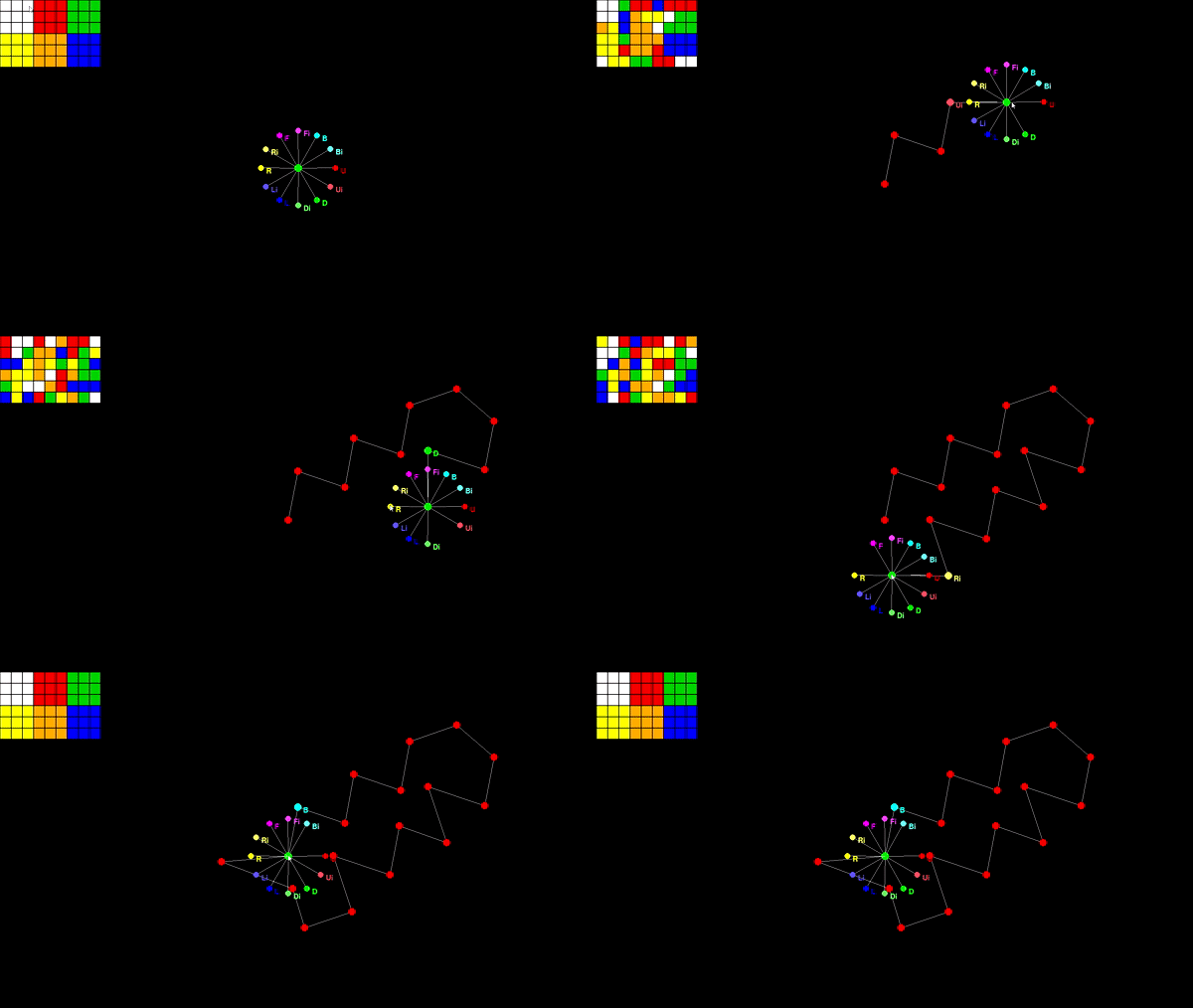
Designed an interactive, animated visualization system using Cayleys graph to represent the moves
in solving a Rubik's Cube. The system illustrates subgroups through dots, where each of the 12 connected
dots represents face rotations (operators), providing a new approach to understanding group theory in the
context of the Rubik's Cube. This framework also aids solvers in identifying classic sequences and solutions
from a group theory perspective.
Developed a prototype for a game-like program that helps users practice CPR at the correct rate.
The CPR performance scoring algorithm and data analysis were implemented in MATLAB, with an accompanying
website explaining the Fourier Transform function used for performance evaluation.
Ongoing project focused on prototyping an affordable, accessible early hearing loss detection device.
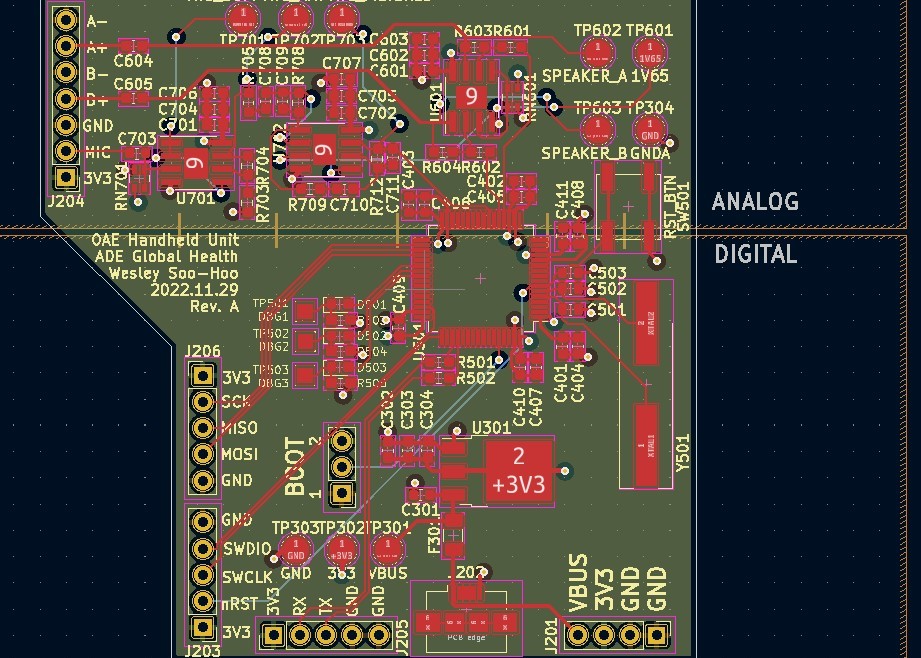
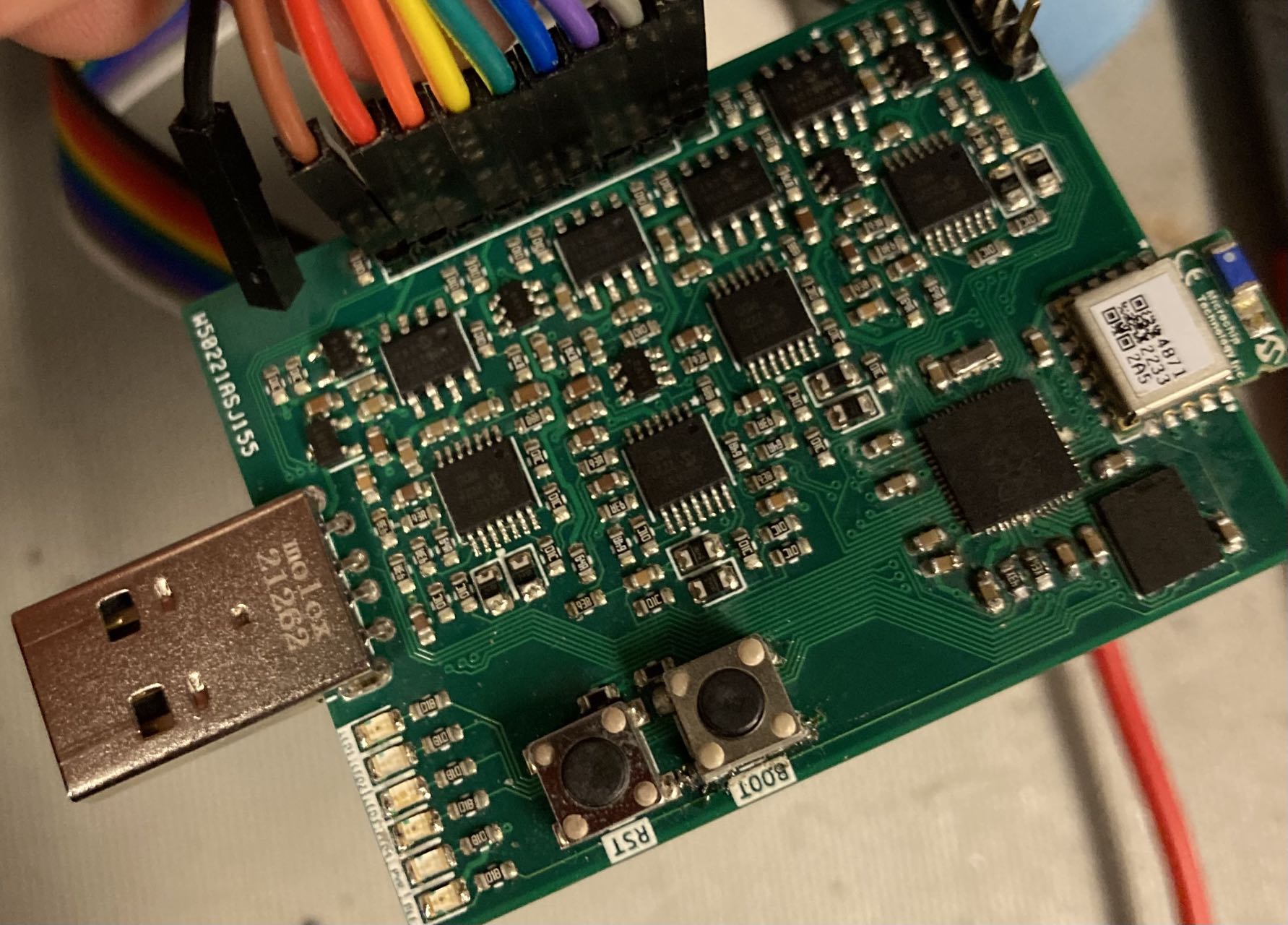
Co-designed and assembled the PCB for an OAE hearing screening device, integrating a built-in microphone
and speaker for audio frequency input/output. Collaborated with audiologists to refine the handheld device
design through co-design sessions.
Designed and assembled a 4-channel PCB for EMG signal sensing and processing using LTSpice and KiCad.
Future plans include developing a game controlled by hand gestures based on the captured EMG signals.
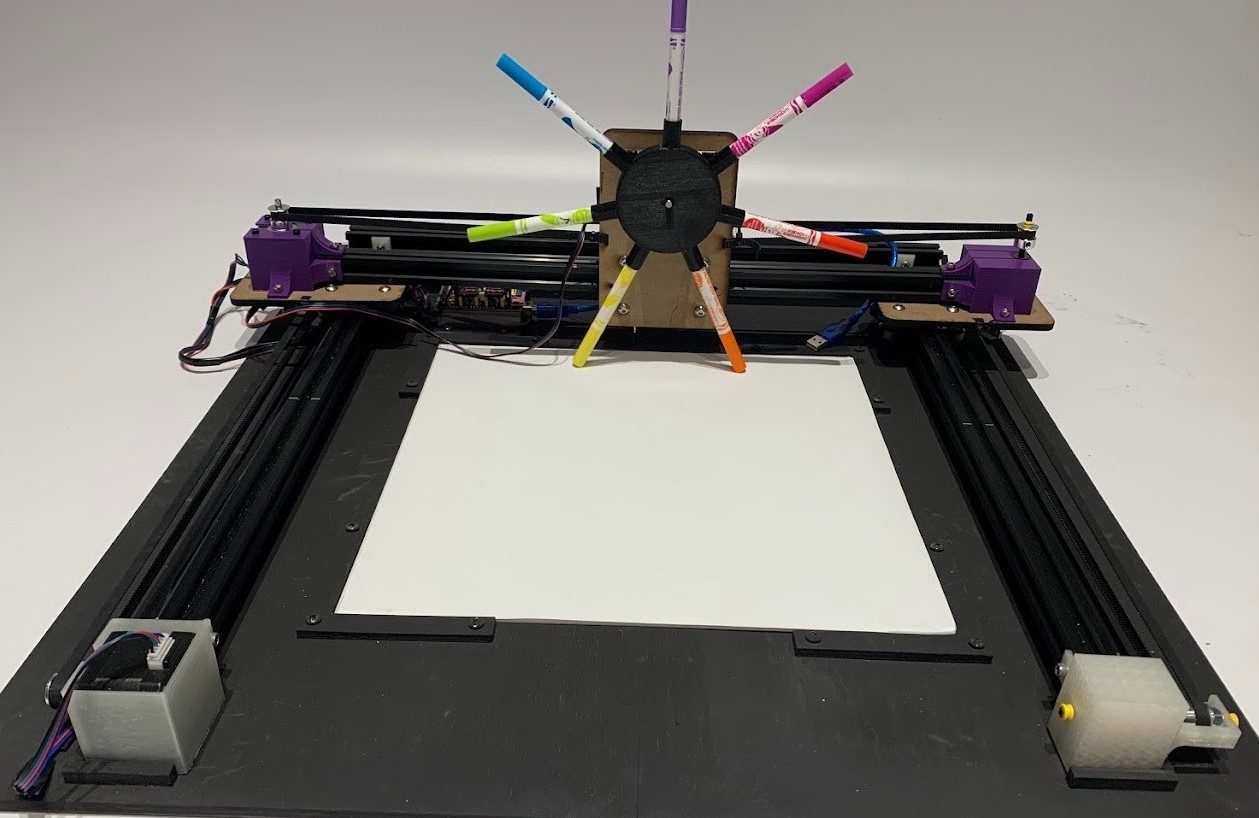
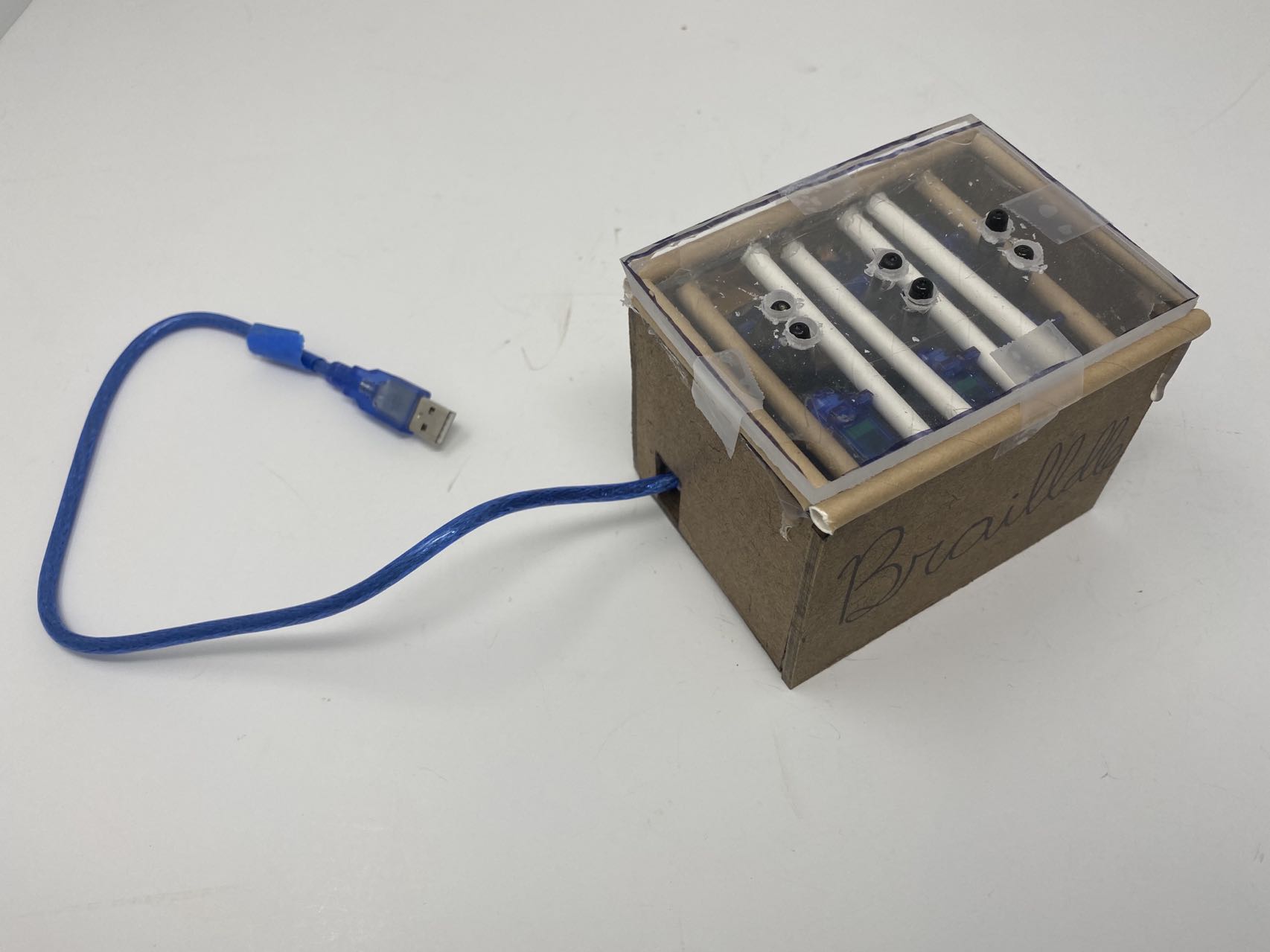
In a 24-hour hackathon, developed a Braille display cell prototype using OpenCV and a camera to detect and translate visual
text into Braille. The goal was to create a low-cost, user-friendly Braille learning tool to support learners, teachers, and
parents in the learning process.
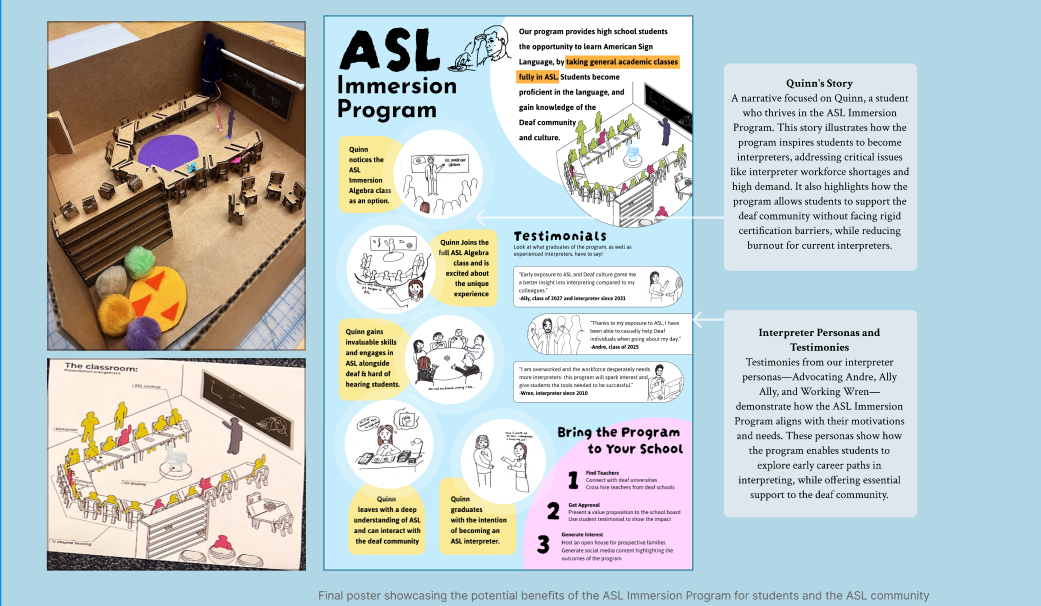
Developed a product proposal for an immersive American Sign Language (ASL) learning program after conducting in-depth interviews with ASL
interpreters to understand their needs and challenges. Led a user-centered design process, incorporating feedback
throughout research, ideation, and prototyping phases. The program aims to address workforce shortages while supporting
both career explorers and casual learners of ASL.
Water Treatment
Batch RO Scaling Research (Tow Lab)
October 2021 - December 2023
Design experiments to understand the condition for scaling in a single-cell batch RO system.
- Collaborated with the research team to test three-electrode setups for automating PFAS (Per- and Polyfluoroalkyl Substances) detection in drinking water
- Designed and prototyped PCBs (Printed Circuit Boards) to automate the detection process.
Contact Me
Address
1000 Olin Way, BOX#515, Needham, MA, United States 02492